

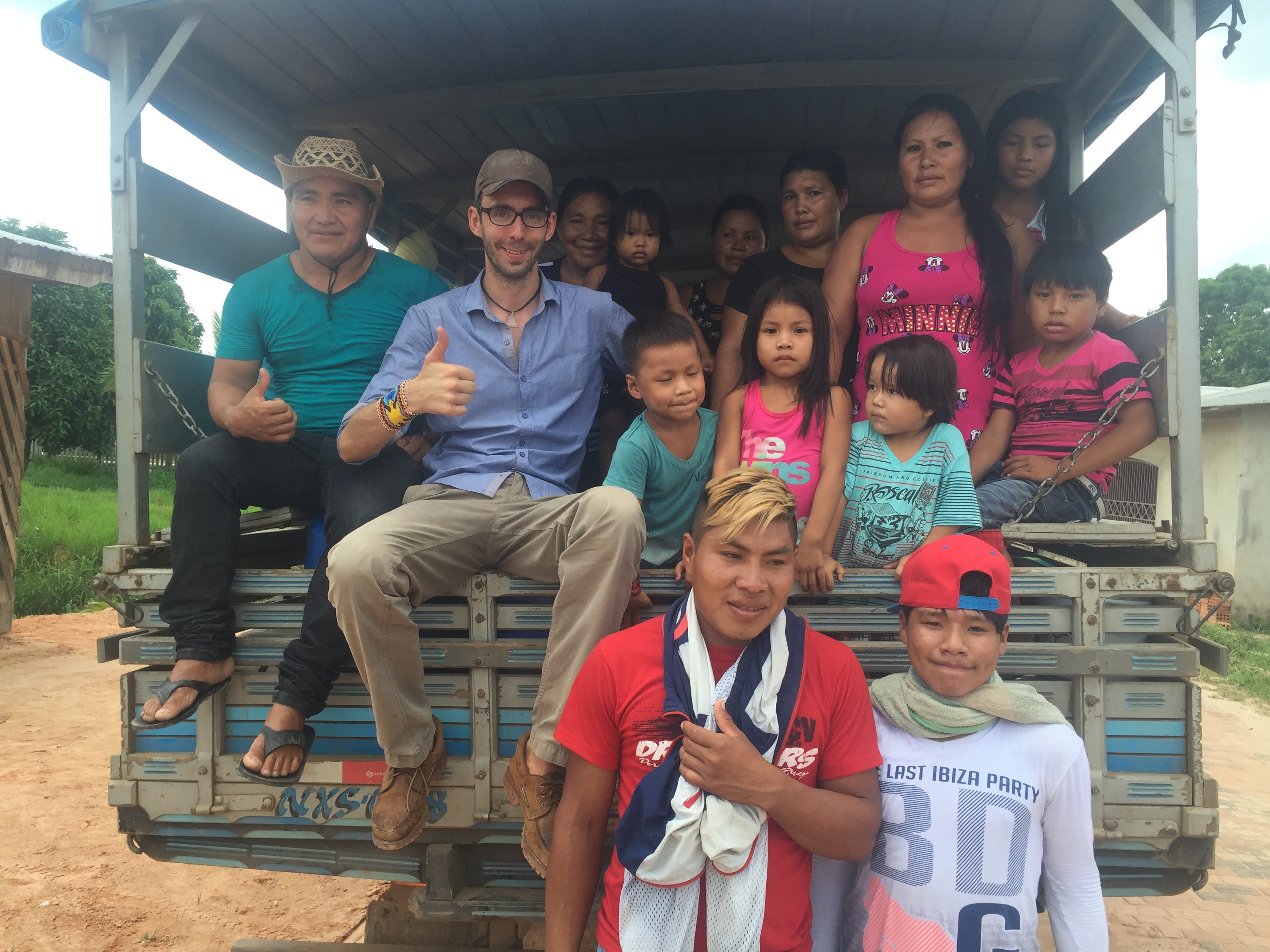
A path in the jungle is cleared together. A story of returning home.
At the end of this chapter there is some news about this December, and an invitation.
After a few weeks in Nicaragua, it was time to go back to Peru. The dieta had given me a very different perspective on healing, and I felt a new chapter opening. When I arrived back at the healing center, it was clear that the past months there had been a challenging time. In the middle of all that, I started to miss those beautiful, shining people from the jungle, and I could feel gratitude coming in for our time together. Then I learned that Edi had heard about my call with Qwatsi and had travelled to Rio Branco. After a few messages back and forth, we hopped on a call and spoke for two hours.
“Edi, did you complete your dieta?” I asked. He said that both he and Muca had broken their dietas.
“Did you finish your dieta, Vata Txanu?” he asked back.
“Yes, I finished my dieta.” I told him about my last days in the jungle and all that had happened to me since. He shared about his family, the village, and some of the challenges in the jungle. It felt so good to share so openly.
“Vata Txanu,” Edi continued, “you are truly a strong warrior. To be able to finish the dieta of Muka, a very strong dieta, is an accomplishment. We didn’t doubt for a moment that you were going to finish it. We all knew you had the strength to complete it. In a dieta like this, you have to face major challenges on your path. We never know what challenges will come to us in a dieta. We have to be ready for whatever is presented to us. That you were able to finish your dieta with the challenges that you had to face shows what kind of person you are. You have all inside of you, Vata Txanu, that it takes to become a great leader.”
I took a breath and let that message sink in. It felt good to receive those words. It reminded me of many moments in the jungle where the Yawanawá had spoken of me with honor and acknowledgment. The time in the jungle had been so special. Our meeting had been divinely orchestrated. What an incredible gift it had been, to receive the root of Muka.
The conversation went on for a long time, as conversations with jungle people do. At the end I invited Edi to come to Peru and take part in one of the retreats at my center. He was thrilled with the invitation, and said he would be the first person from Sete Estrelas to leave the Amazon and travel to another country. A couple of weeks later, we reunited high in the Andes of Peru.
Edi and I spoke a lot about our dieta together, and more than once he mentioned the strong bond we share. We discussed the next steps. He would love to see his village blossom by sharing the culture and spirituality of the Yawanawá with people from outside. We started to plan a group of Western people to come and visit Sete Estrelas.
Although there had been challenges in the dieta, I trusted Edi. When he left, we found a way to stay in communication, and in the months that followed we worked hard to make his vision real. We talked about a group of eight people. More jungle would have to be cleared to build houses for the group, and Edi was in charge of all of it. I sent him the money he needed with complete faith that he was using it well. There was no way for anyone in the village to send a photo, so all of it was happening in trust. Over a few months, they built four more houses, some toilet facilities, and a kitchen. In the meantime I started to share some of my stories about my time in the jungle, and eight people said yes to a journey to the Yawanawá. I planned to arrive two weeks before the group, so there would be time to take care of the final details.
A few months later I departed once more from Cuzco. It took me about a day to reach Rio Branco by various buses and cars, and on the road I took care of the last emails, messages, and phone calls. In Rio Branco I spent some time with the Santo Daime and picked up medicine for the group that was coming. Qwatsi was still in Rio Branco, living with his mother now. Our reunion was short and very precious. Sadly he couldn’t travel along to the jungle.
I stayed in the Comfort Hotel, a funny reminder of all the comforts of the Western world about to be left behind. There I met Jim, a dear friend and documentary maker from California, who would be traveling with me as part of the first group. We hadn’t seen each other for a few months and talked through the night. In the morning we took a taxi to Tarauacá. The drive took about eight hours, over bumpy roads and through spectacular scenery. We stopped a few times to fly a drone camera high into the sky, capturing the magnificence of this jungle, the lungs of our planet, the pharmacy of the world.
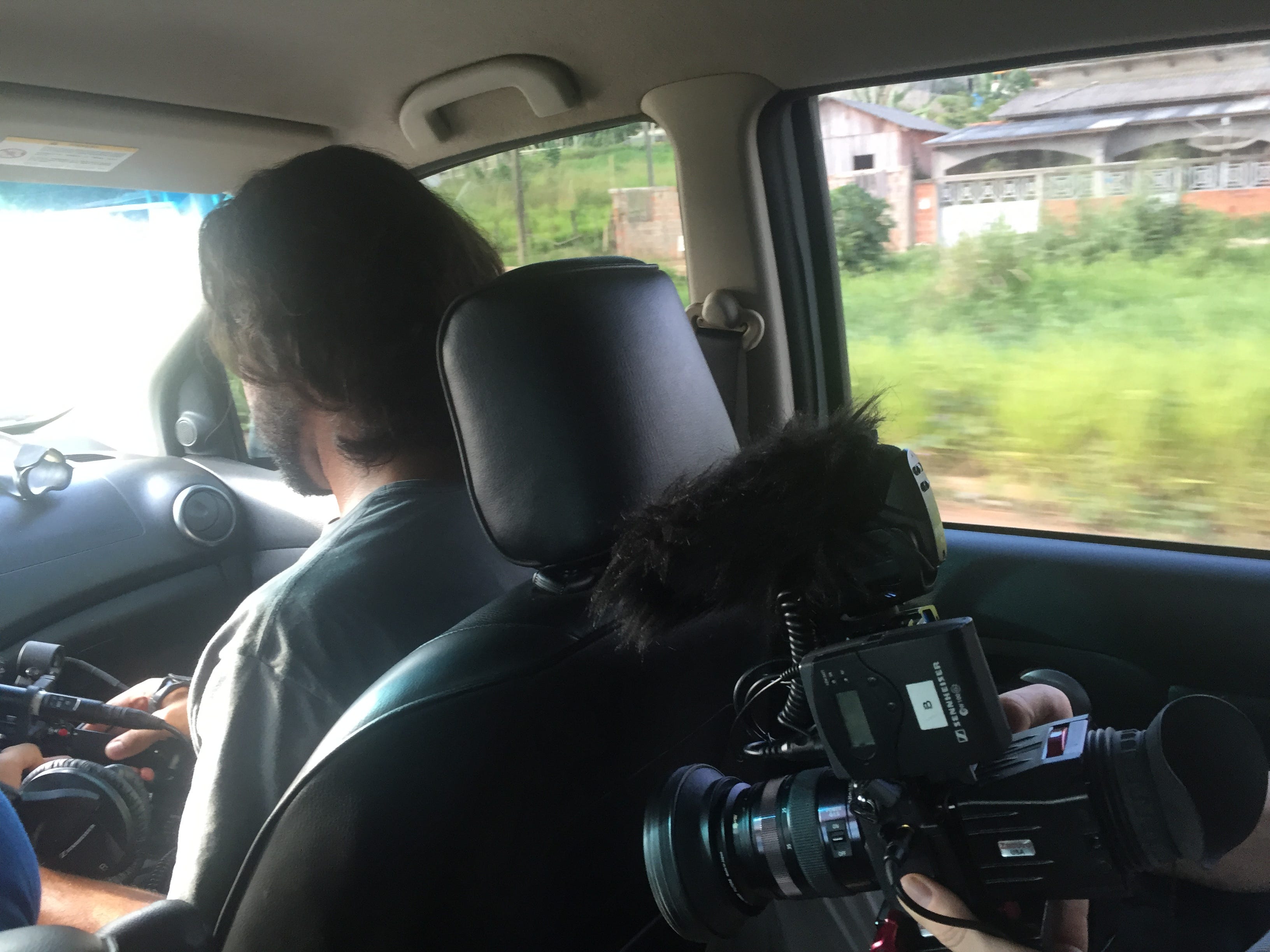
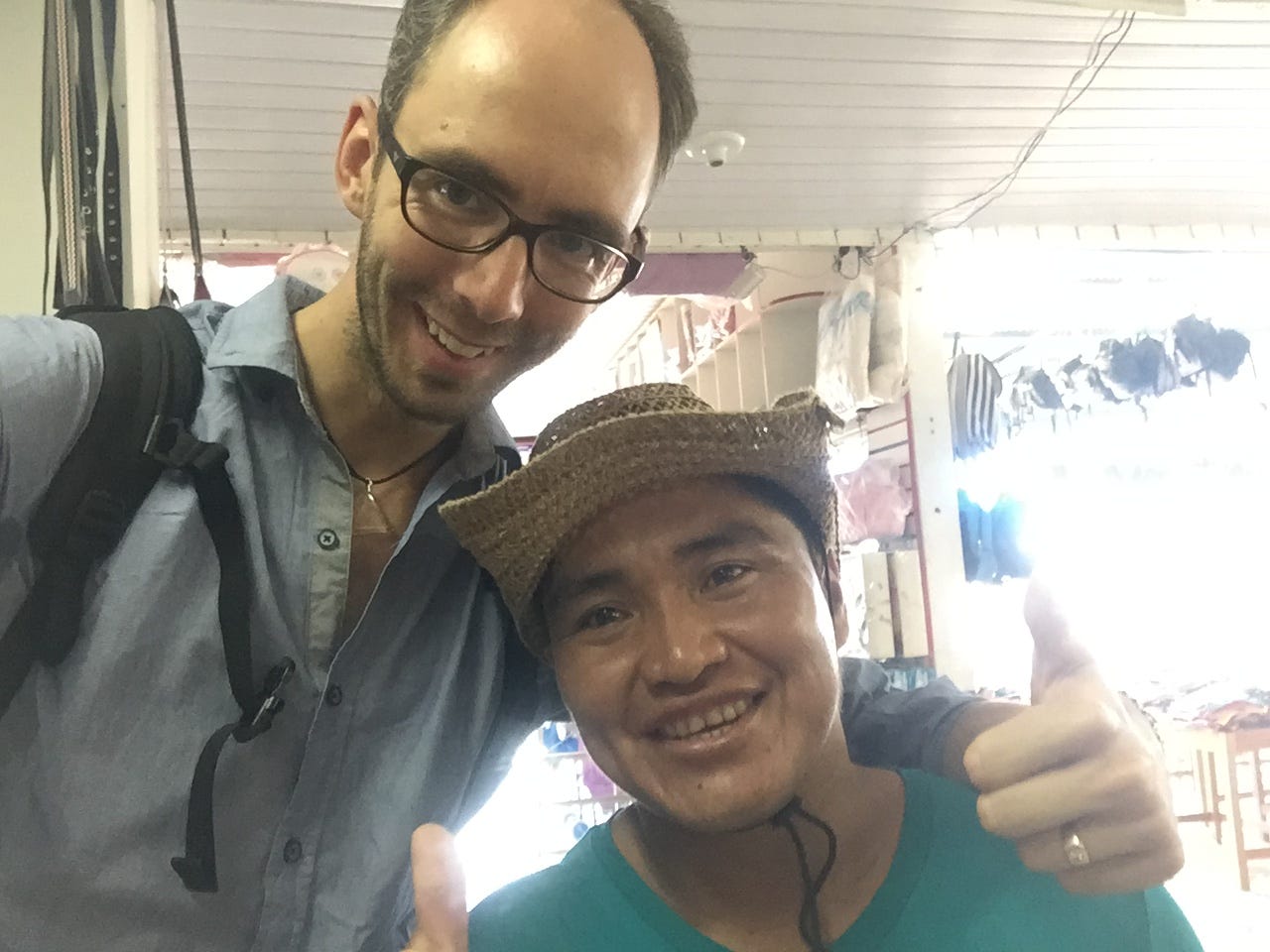
The rare times we had cell phone reception, I connected with Edi. He had been waiting impatiently for three days in Tarauacá. I could feel his excitement. Around ten o’clock that evening we arrived at our tiny, simple hotel. The streets were dimly lit and full of strolling people. We put our bags in our rooms, took quick showers, and went outside to meet Edi and his wife. Shouts of joy, hugs, and smiles accompanied the food we ate together late into the evening. Love poured out of our hearts. It felt grand to be reunited.
We made plans for the next day. Edi would pick us up in a truck at five in the morning. We would buy all the supplies for the coming weeks, drive to São Vicente, and from there take the boats. We planned to leave São Vicente around one o’clock and arrive in the village in the early evening. We had a plan.
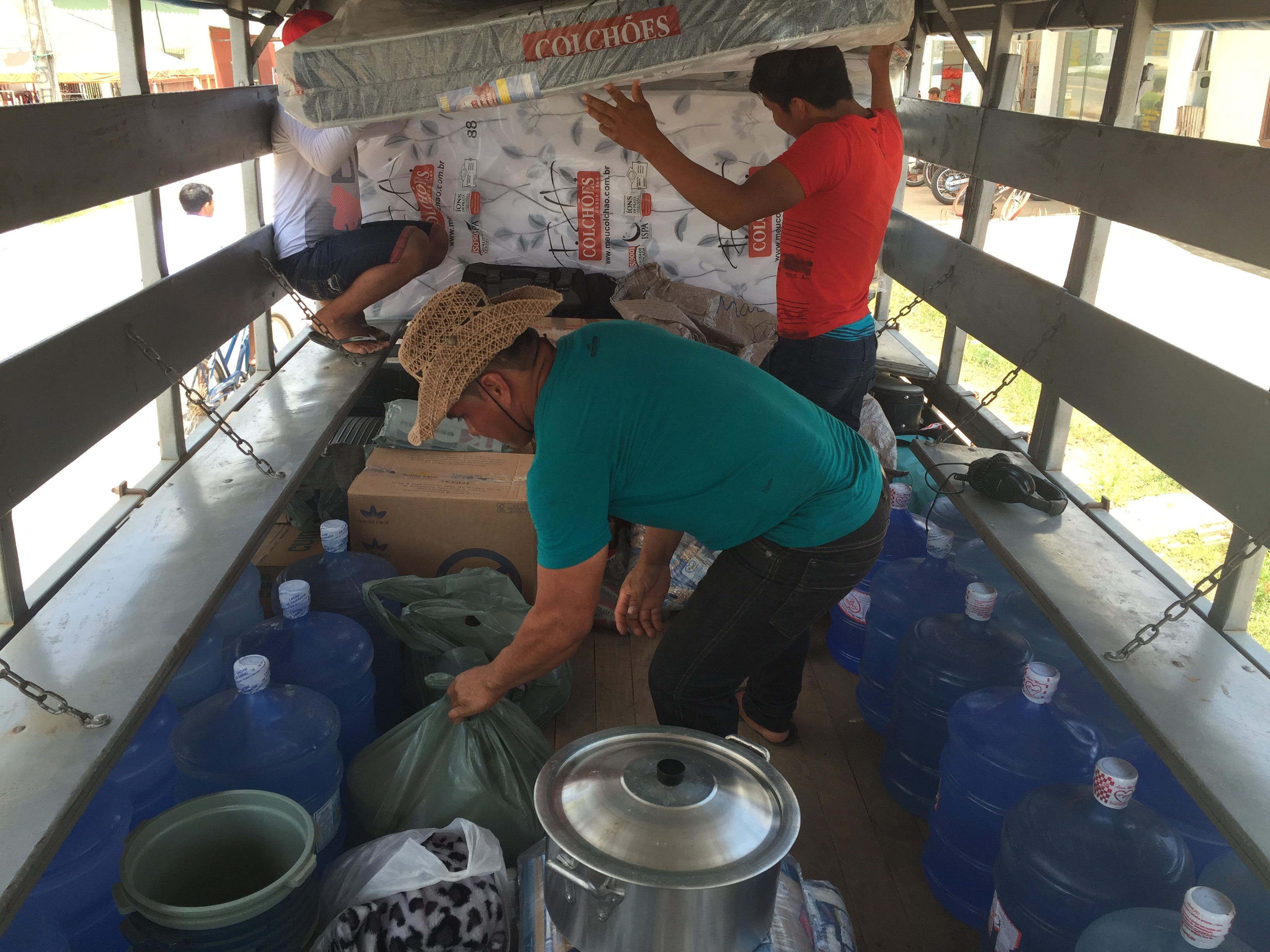
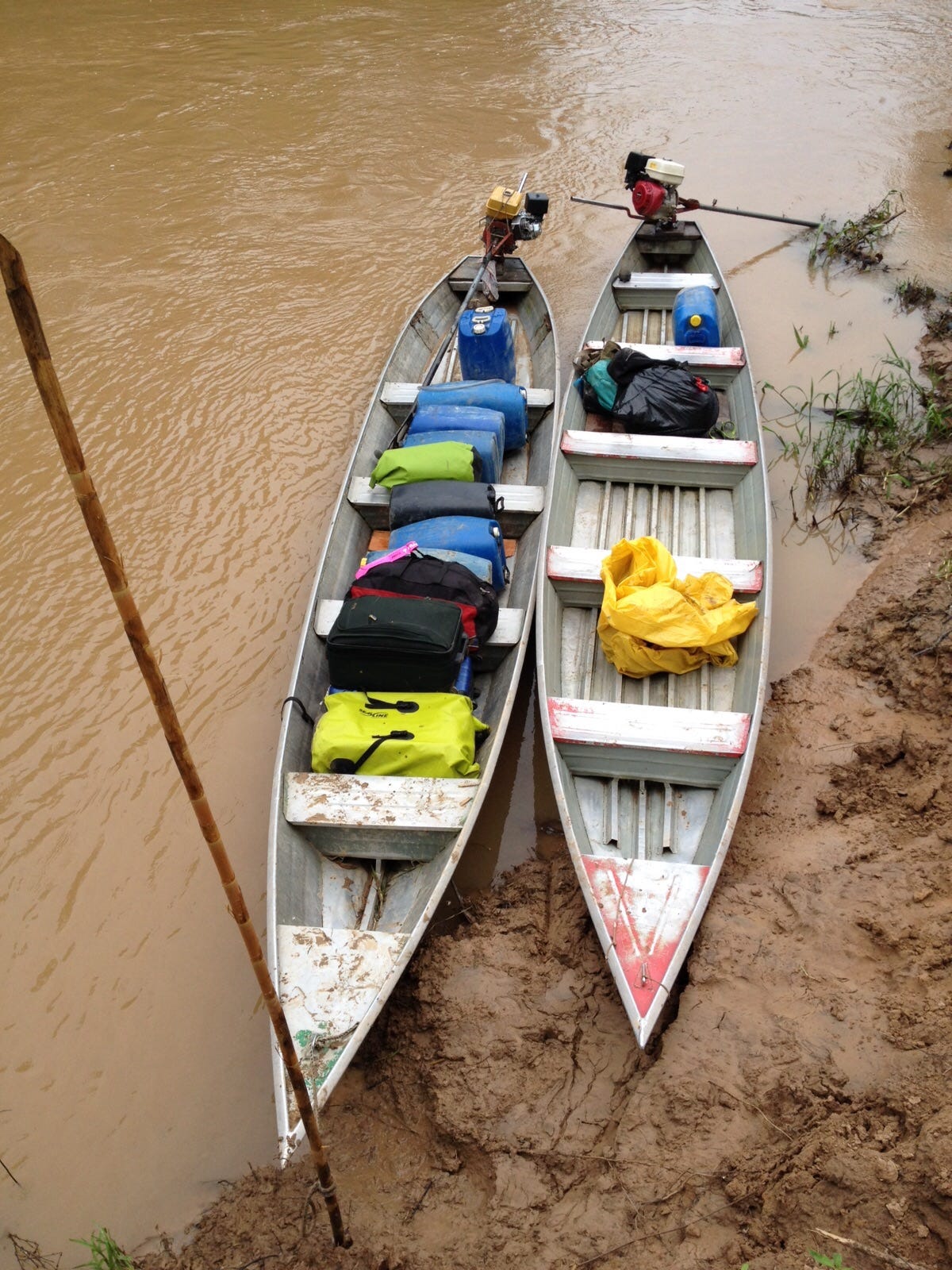
At six, an hour late, Edi knocked to let us know he was ready. We carried all our luggage to the truck, and off we went. Wanting to be in the village before nightfall, we moved quickly. But the shopping took more time than we had hoped, and by the time the boats were loaded and ready to leave, it was the middle of the afternoon. Edi was sure we would make it before sunset. Once we were finally on the water, I breathed a sigh of relief. We were on our way.
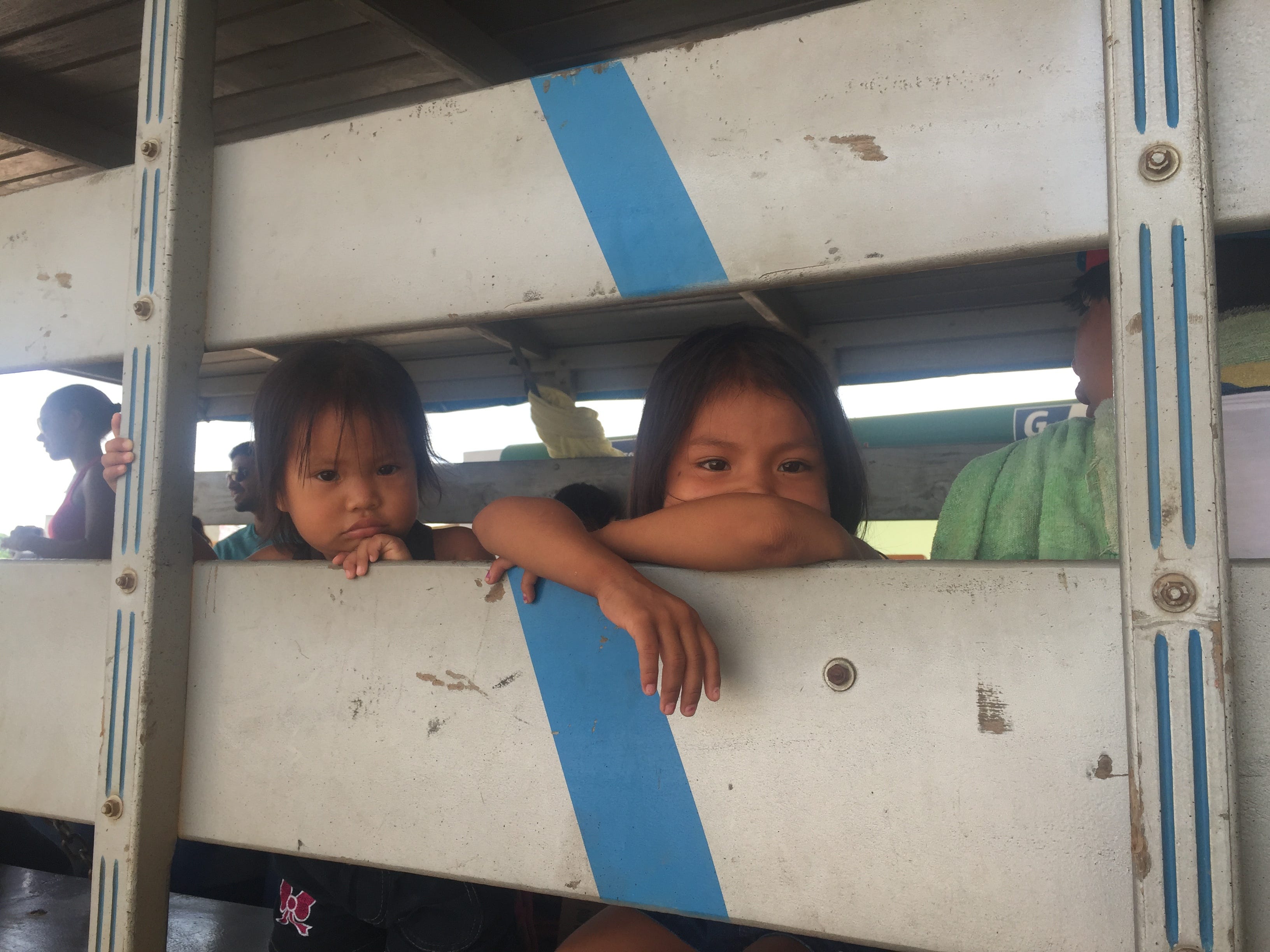
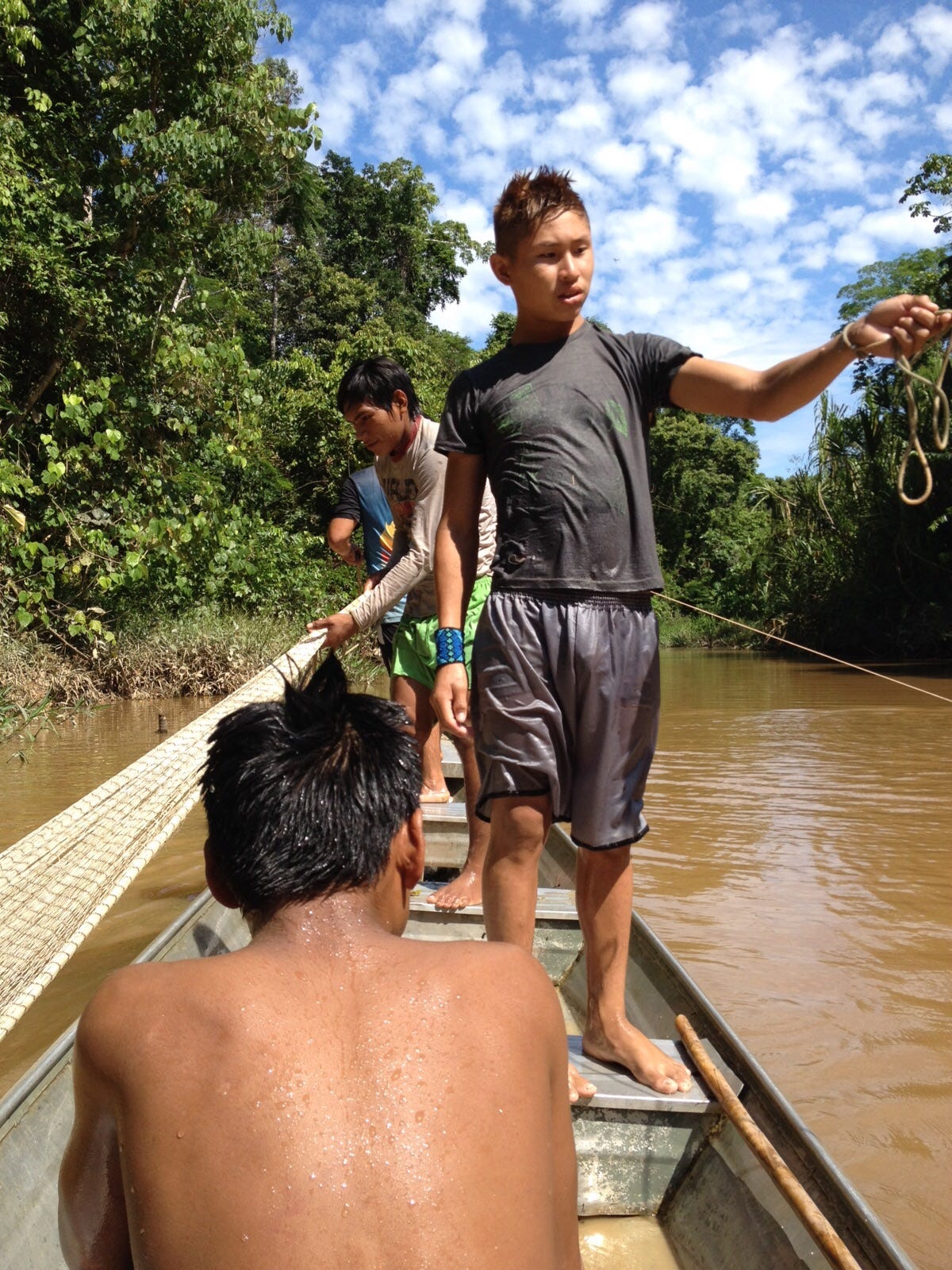
The boat floated around the first bend of the river, and after just a few minutes the motor started to sputter. I panicked. What could be wrong? We returned to shore and tried to repair it. Soon we saw that a part in the motor had given up. There we were, stranded on a riverbank. The other boats, carrying the supplies, had already gone ahead. Raindrops started to fall like pearls from the sky.
I reminded myself that all was happening according to divine plan. This was the time to surrender again to the rhythm of the jungle, the pace of the Yawanawá, and the cycles of nature. I took a breath and relaxed.
It was clear we wouldn’t make it to the village by nightfall. Edi shared that the village had prepared a welcome and that everybody was awaiting my return with joy, enthusiasm, and love. The people had been excited for weeks and had prepared good food and some surprises. But not today.
After a couple of hours in the rain on the shore, the engine was repaired and we floated upstream. At sunset we stopped in the village where Muca lived. I was hoping to be greeted by his familiar face and a strong hug, but Muca was away. Soon we were sitting around a fire, drinking sugary coffee and eating dry crackers. Without being asked, some boys carried all our things onto the shore and covered them with plastic.
After dinner we sat on a fallen tree overlooking the river, the stars shining above us. There we had our first good conversation, without the distractions of shopping or traveling. Many topics were covered, and as always in the tribe, people took their time to speak and to listen. Once again I felt my love for these beautiful, strong, and simple people. We shared rapé, and I took out my guitar. It was such a beautiful night, with nothing to take care of, just sitting and watching the stars and listening to the sounds of the jungle. It was Jim’s first time in the jungle, and after that evening he kept repeating a phrase he had picked up somewhere: simple life, high thinking.
Edi told me about the changes in the village since the year before. The work of building the houses had helped all the families. Everyone was grateful for the chance to be part of sharing their traditions with people from outside, and they had all worked hard to get everything ready for our group.
I had brought a present for Edi, and at the end of the evening I asked if he wanted to receive it now or wait until we got to Sete Estrelas. His face lit up, and he got so excited that he couldn’t wait. Out of my bag I took a little package and handed it to him. Edi could barely contain his delight when he unpacked the fancy black sports watch. He gave me a hug that almost cracked some of my ribs, and for the next few weeks he kept calling that watch his “second wife.”
In the morning we loaded the boats and continued to Sete Estrelas. With a mixture of excitement and insecurity, I sat quietly in the boat. How would it feel to see Luis again? Were the houses well built? At this point there was nothing to do but surrender. There was no turning back.
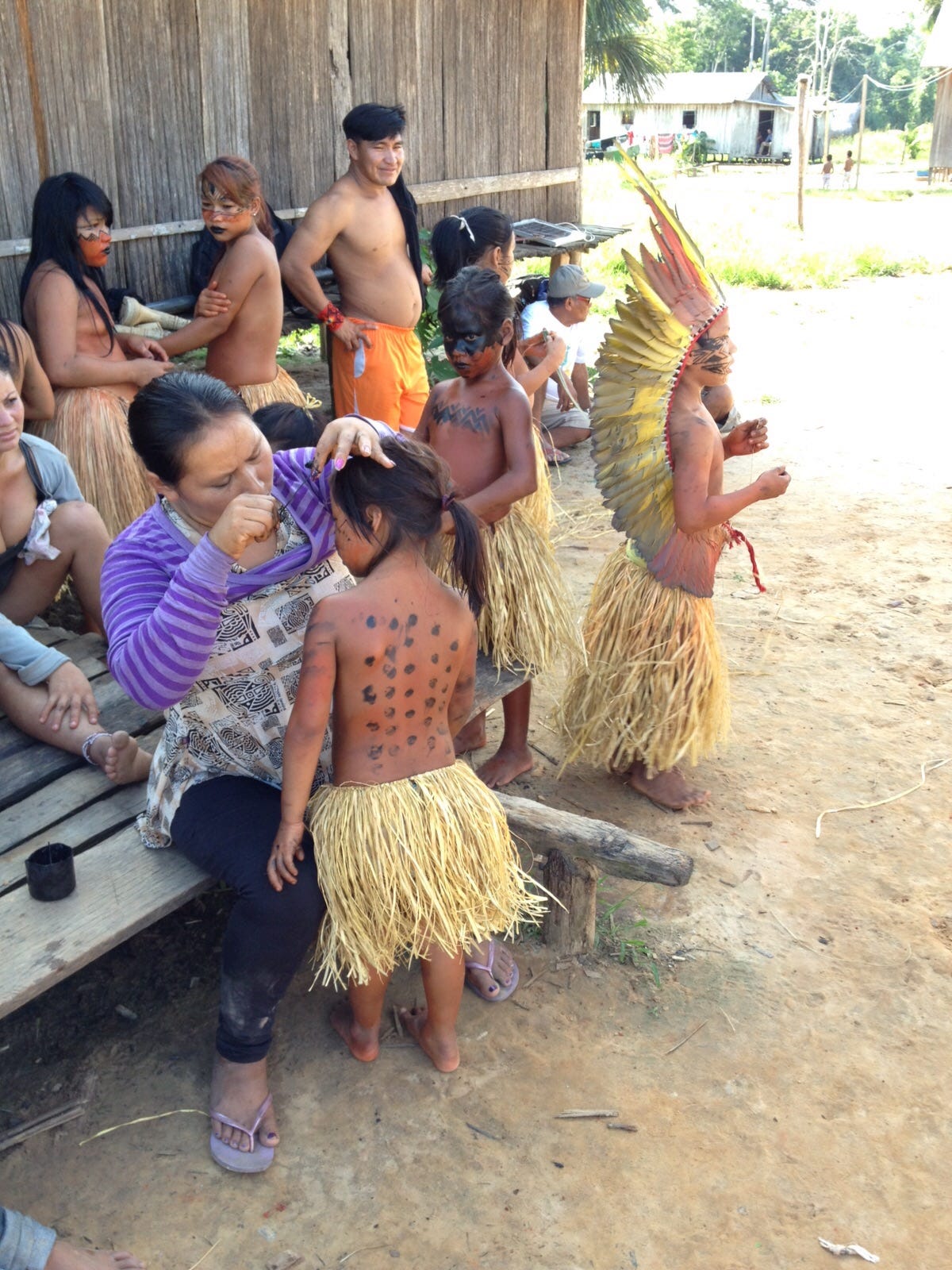
As we came closer to the village, I started to recognize the surroundings. In the last curves of the river I could feel the excitement building. Then, finally, we saw Sete Estrelas. From afar I saw every person from the village standing on the shore. The sight of them all together, awaiting our arrival, brought a wave of love to my heart. As we got closer, I could make out faces. All of them were standing straight and in silence. When we were just a few meters away, I put my right fist into the air, the sign for strong warriors, a sign we had used many times the year before. Seeing it, they started to shout and wave.
JIIIIIIIIHUUUUUUUU!
I jumped out of the boat onto the shore and was immediately enveloped in a shower of hugs, kisses, and laughter. Louisa came walking up and we hugged for a long time. It was so good to see her again. Shortly after, Luis joined us. I walked up to him, and we locked eyes. It was as if the whole village stopped in that moment. All the noise faded away. I leaned in, and he put an arm around me. “Welcome back, Vata Txanu,” he said with a smile, and walked toward the temple. We sat down on the porch, and I was overwhelmed by all the memories that came floating back.
Luis led us to see the new kitchen. I couldn’t believe how perfect it was. They had even made two tables with benches. We walked down the meticulously cleaned path and saw the other houses. The men of the village were proud to show their work, and I enjoyed admiring what they had created. The houses were so well made.
We walked on and came to the place where I had hung my hammock during my dieta, the place where I had retreated to be more in the silence, further into the jungle, alone. It was the place where I had sat with Qwatsi, dreaming about our house in the jungle, taking rapé, sitting on the roots of that big tree.
At the exact spot where we had envisioned our house stood a house made of a different kind of wood, a tree considered more precious for building. The roof was made of paia, the palm thatch, but instead of the leaves simply being piled on top, every leaf had been woven by hand into the next. The craftsmanship and time put into this house touched me. It was a vision that had birthed itself into reality through all the people now gathered on the porch. I couldn’t believe my eyes.
On the porch of what could only be my new house, I felt so many emotions that I could hardly speak. Tears of joy rolled down my face. I had to breathe slowly not to be overcome.
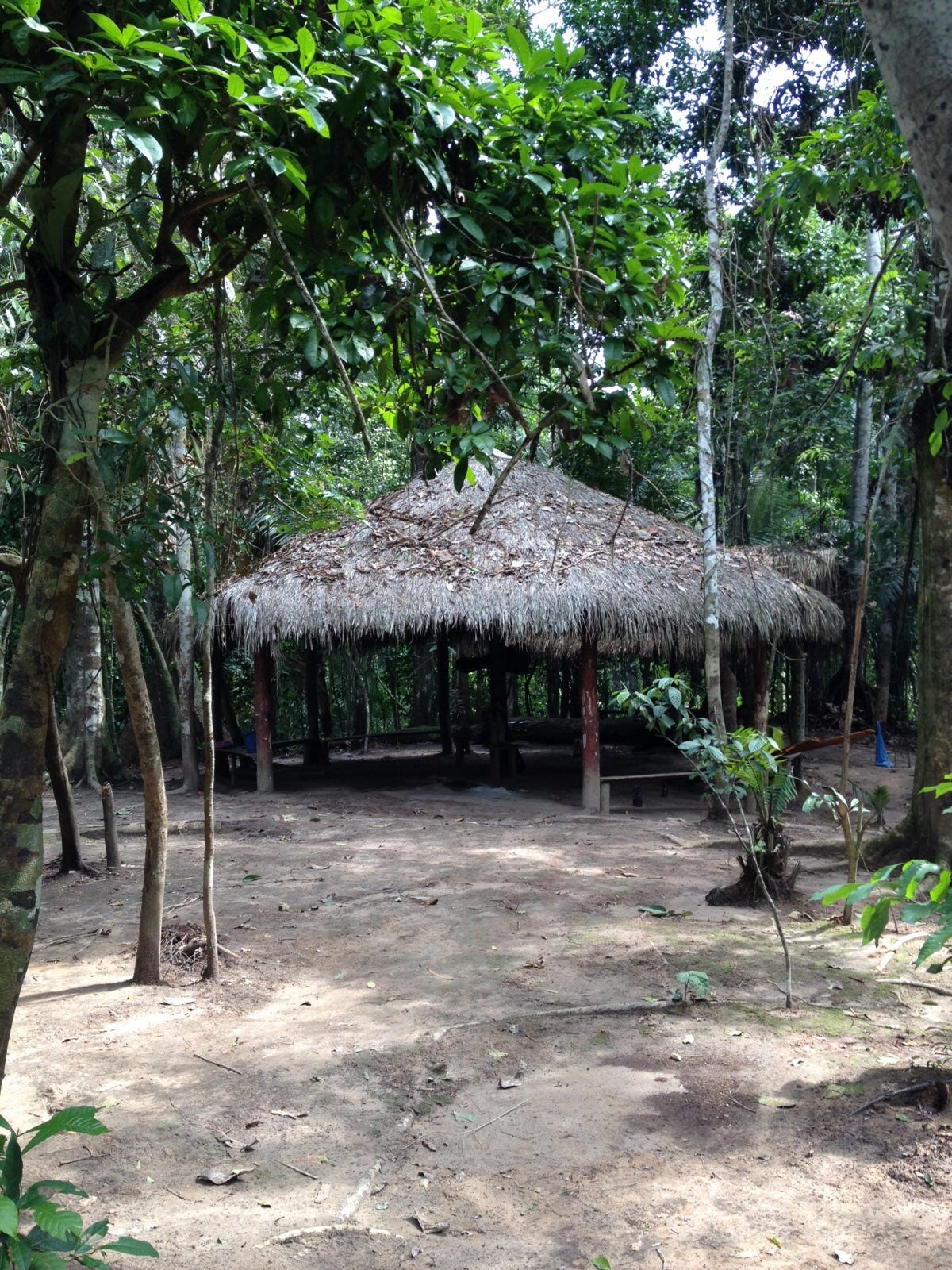
Edi stood there with his big smile and gave me a strong hug. Then he started to speak. For the community, he said, my arrival had been like a rising sun, a bright light shining over the village. It was a light that had shown them a path they had never dreamed possible for such a tiny community. Seeing that sun rising, they felt the truth of what was happening, and they decided they would walk the path that was revealing itself. And like any path in the jungle, at first there are many plants and trees in the way, some with spikes and thorns. But with hard work the path is cleared until it becomes open and wide, so that everybody can find it easily, so that everybody can walk it without getting lost. The work of clearing and opening a path, with all its thorns and spikes, can be difficult, but it is through those difficulties that we learn from each other, that we get to know each other, and that we grow together as a family.
Edi’s speech was so fitting and beautiful that I could hardly find words to respond. One thing I knew for sure: I was home again.
Luis and Louisa have both made their passage in the last years. I think of them often, Louisa’s tea and her hand on my arm, Luis on his porch watching the river with me, and what I carry from them is not that last morning of the dieta but everything that came before it, and everything that came after, beginning with that arm around my shoulder on the shore. Qwatsi still lives in Sete Estrelas.
I kept going back, and each year I became a little more family. The little center in Sete Estrelas was finished in the years that followed, five houses, a kitchen and a temple, on the path Edi had spoken of. My study moved to the village of Mutum, first with Tatá and later with Matsini, who had experience with dietas, and that is where I have continued to learn until today. Since that first dieta I have completed more than two years of dieta with the tribe. It has become part of who I am, of the way I serve and the way I look at the medicine. It has not always been an easy path, but it has been a rewarding one, and I feel lucky that the medicine showed me the way so clearly, to a place where I could study these practices, and where I will keep doing so.
On that first trip back, Luis showed me how to plant the vine, and we put sixty seven vines into the ground. Not one of them survived. It would take years to learn that the vine is planted only in certain months, and longer still to learn the other layers of her mystery that have opened to us since. Still, it was the start of the work, though we did not call it that yet.


In its own time
While I was writing this chapter, my mind kept going back to where it all began. In a ceremony in Holland in 2012, lying under a blanket on the force of the medicine, I heard a word whispered into my ear, over and over, for half an hour. Yawanawá. Then the name of a city I had never heard of: Cruzeiro do Sul. I told that story in A Calling from Afar.
Afterward I learned that the Daime we had been drinking that weekend was cooked in Cruzeiro do Sul.
The first word took me to the Yawanawá. To Muka, to Luis and Louisa and Qwatsi, to Edi, and to the shore you just read about. The second word waited. Cruzeiro do Sul. The place that medicine came from, and the man who cooked it.
His name is Davi. I have wanted to meet him for years, and I still remember his medicine as one of the best I have ever had the honor to drink.
In a few weeks, fourteen years after that night in Holland, I will finally stand next to him at the pots. From December 10 to 20 we cook medicine together in Cruzeiro do Sul. It will be the thirteenth time I cook, and I cannot remember looking forward to a Feitio this much.
Some parts of a vision open at once. That whisper put me on a plane to Brazil, and I went. Other parts wait until we are ready to receive them. In 2012 I had no idea what a Feitio was. I had never stood in the smoke of the fire, cleaned leaves for hours, or pounded vine. Since then I have spent years beside the pots, learning from people who have cooked their whole lives. Maybe that is what the waiting was for.
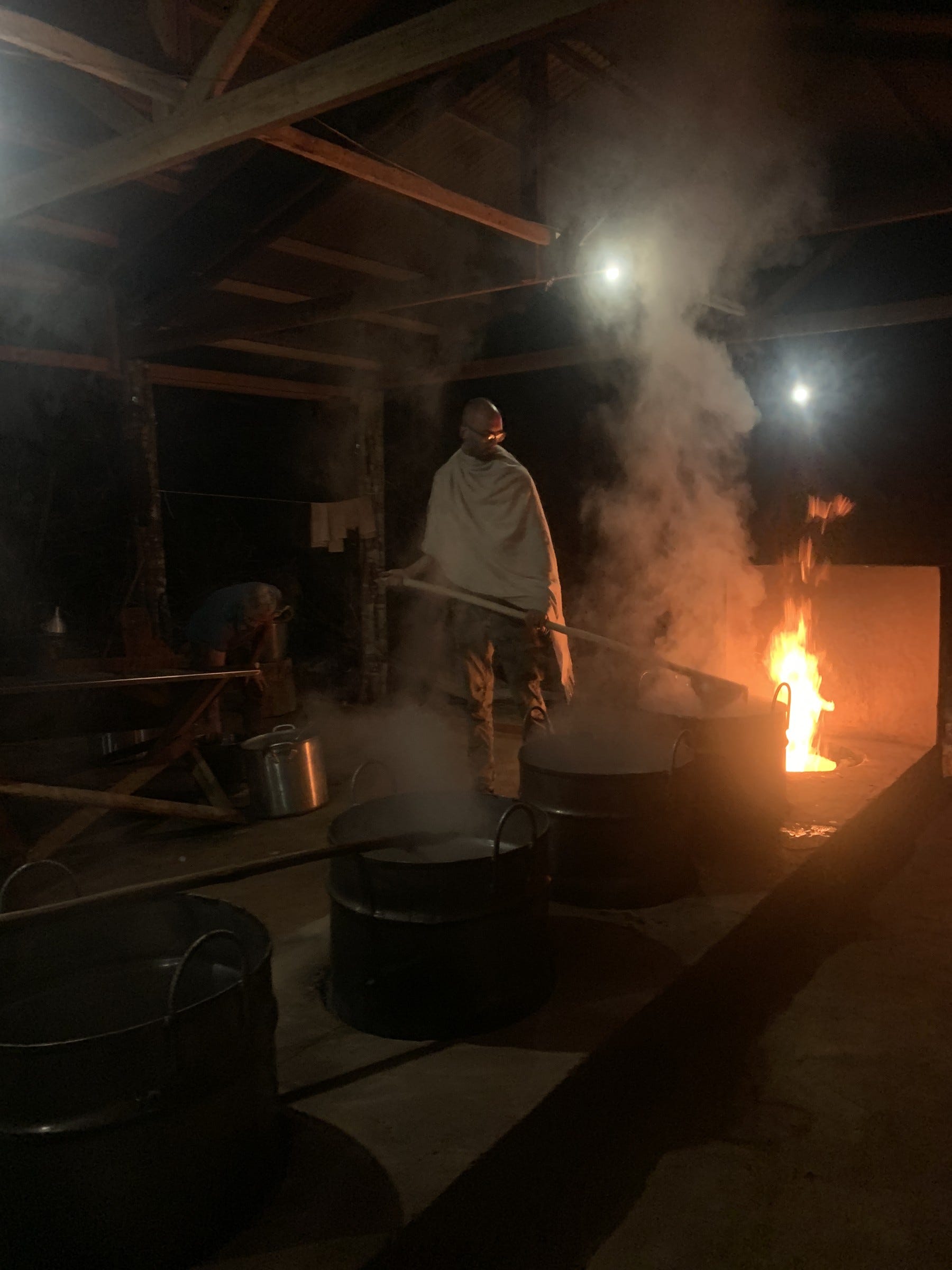
The medicine we cook in Cruzeiro do Sul will travel with us upriver to Mutum, where we drink it at the New Year’s Festival. I will close the year with the tribe, enter the new one with them, and stay on for a while.
There is still room for a few people to come along, to the Feitio, to the festival, or to both. The Feitio asks for a relationship with this medicine already, and a willingness to work hard, in service to the medicine and to the people cooking it. The festival is ceremony, music, the traditional games, a lot of celebration, and days lived in the rhythm of the village. If you feel the call, everything is on our website on the Journey to the Yawanawá page, and you are welcome to write to me with any questions.
Eleven years ago I came back up that river and found a house waiting for me. Fourteen years ago a word came to me under a blanket in Holland. This December I finally meet the man whose medicine carried it.